



Anistatia Miller and Jared Brown gather their favourite springtime ingredients in celebration of the season’s bounty of herbs and fruits
No season is more anticipated by gardeners and foragers than spring, as the first flavours of the new year begin to emerge from the soil. And this abundance carries over into the shops as well.
Sorrel
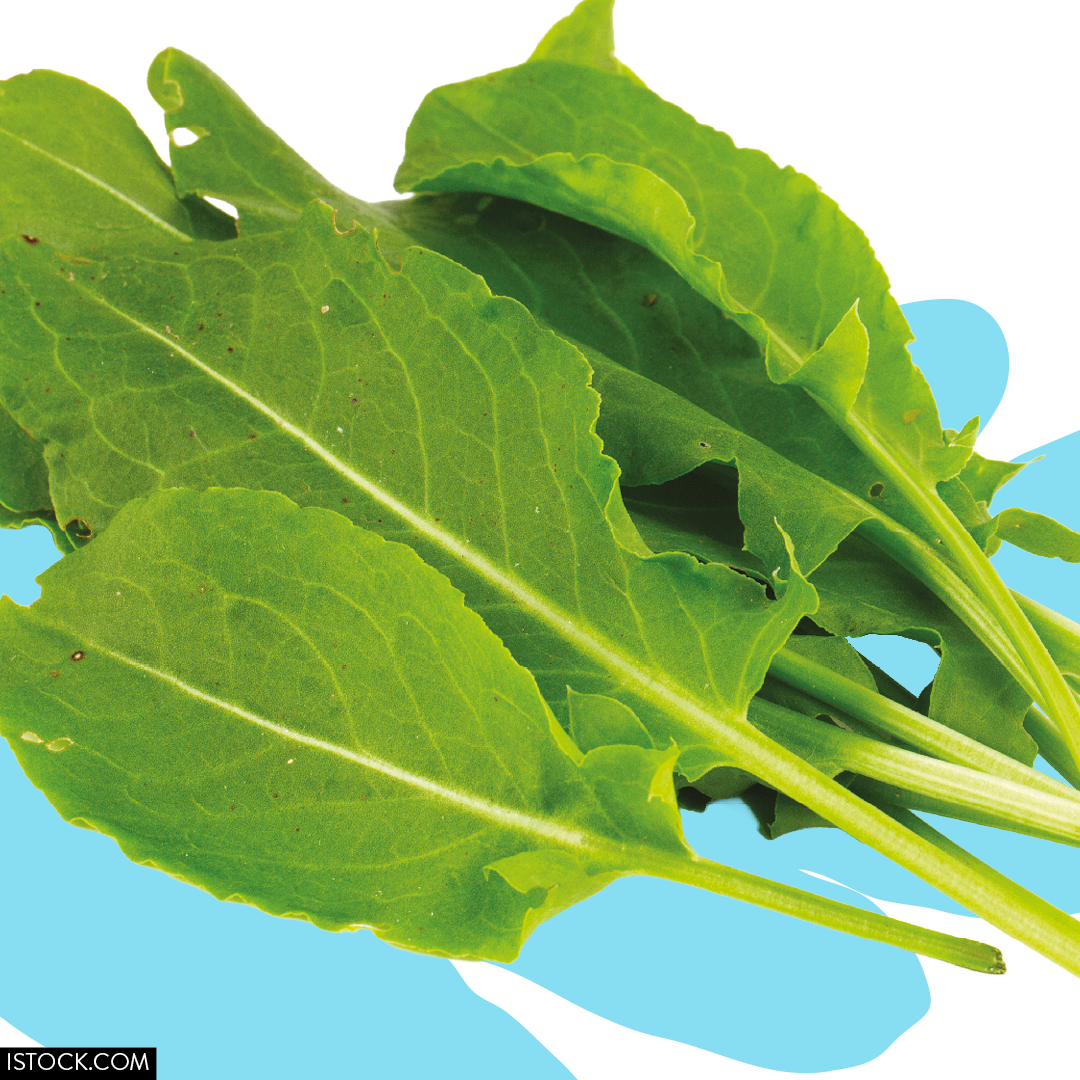
Whenever we mention using sorrel in a drink, people assume we are referring to Caribbean sorrel (better known as hibiscus). Its lesser-known, cold climate cousin, English sorrel, has two wild growing seasons – spring and autumn.
This super citrus grows prolifically in British gardens and fields. Nicknamed ‘lemonade leaf’, 150g sorrel contains roughly 75% of your daily vitamin C. There are approximately a dozen common varieties between wild and cultivated, all roughly resembling smallish spear-shaped spinach leaves.
Unrelated, but with near identical flavour, is wood sorrel. Often mistaken for clover, this variety has trifoliate leaves. Each leaflet is heart-shaped making it identical to the shamrock emoji – unlike clover. Thus, it’s an almost too-easy garnish for an Irish whiskey cocktail.
Sorrel’s sour lemony tang is ideal in a classic sour. Paired with a white spirit, it gives the drink a vibrant green hue.
Coriander
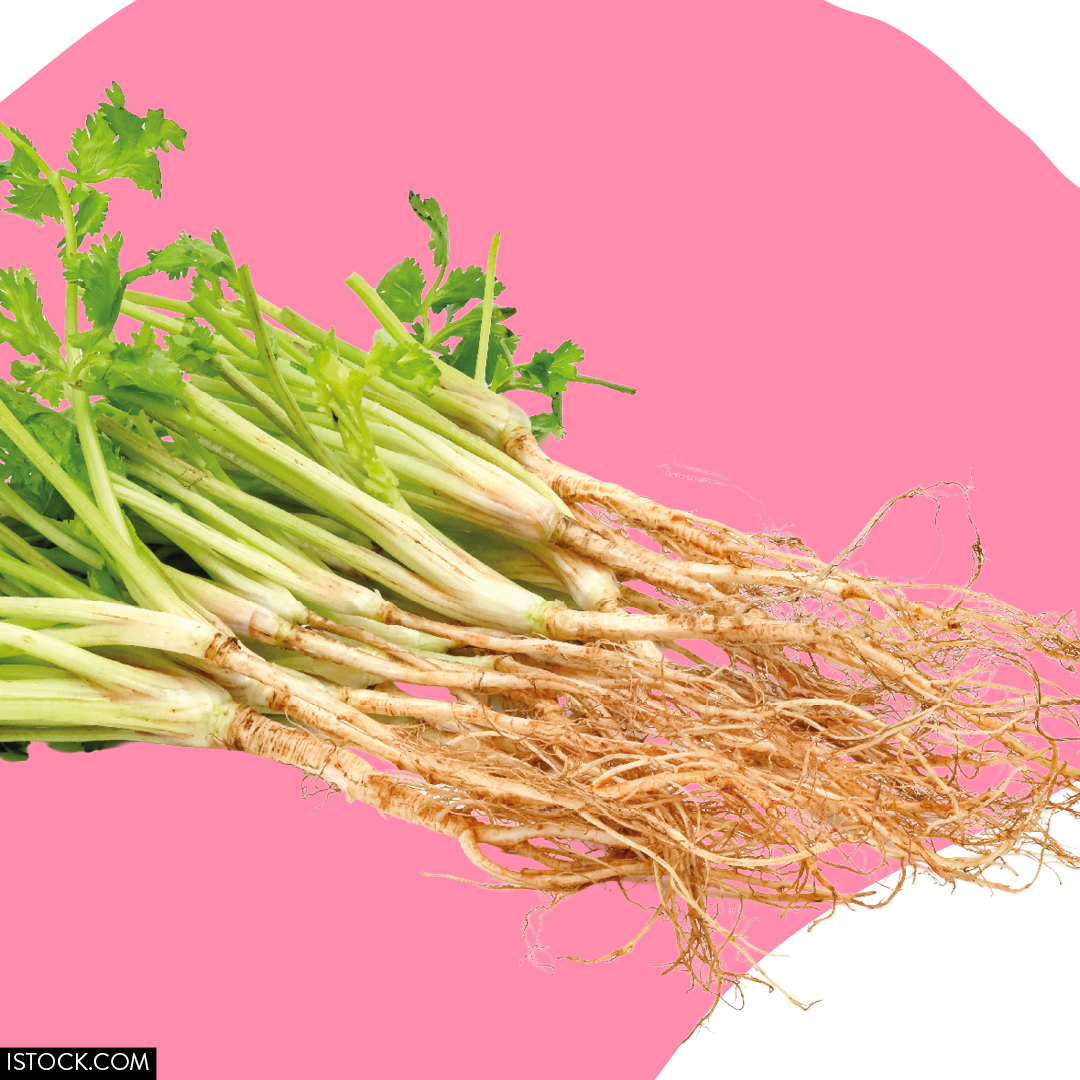
Coriander is best known for its leaves and seeds. However, the plant has two other gifts. The roots (commonly used in Thai cooking) can be infused or distilled or pulverised, added to the shaker and fine-strained out. These bring a combination of leaf (savoury herbaceous and lemon/lime citrus) and seed (lemongrass, pepper and pine) flavours, plus a hint of earthiness. Second is the clusters of delicate white coriander blossoms. They rarely, if ever, appear in the shops. But coriander is relatively easy to grow yourself and it prolifically flowers. The flowers taste like the leaves but with less of the ‘soapy’ character that some people find off-putting.
Nasturtium
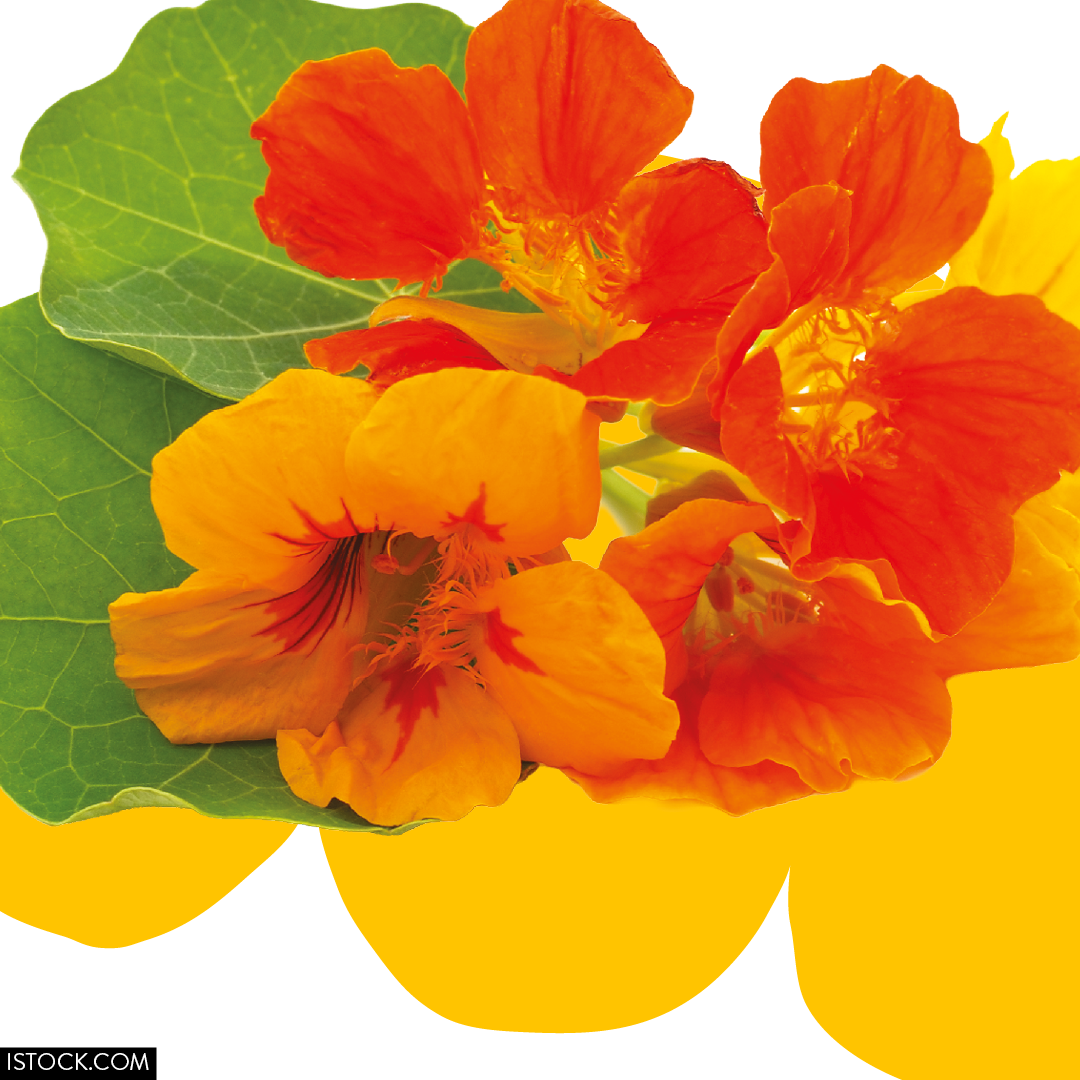
Nasturtiums are a popular culinary and drink garnish. They begin to emerge in late spring and are available for m0st of the year. The leaves are uniquely round and have a prismatic effect when sprayed with a mist or holding a droplet of liquid (like the ones atop Erik Lorincz’s Garden Martini at Kwãnt in Mayfair). The flowers range from pale yellow to orange to red to maroon, with solid and variegated blooms and impart a hint of sweetness along with the characteristic pepper.
Mango
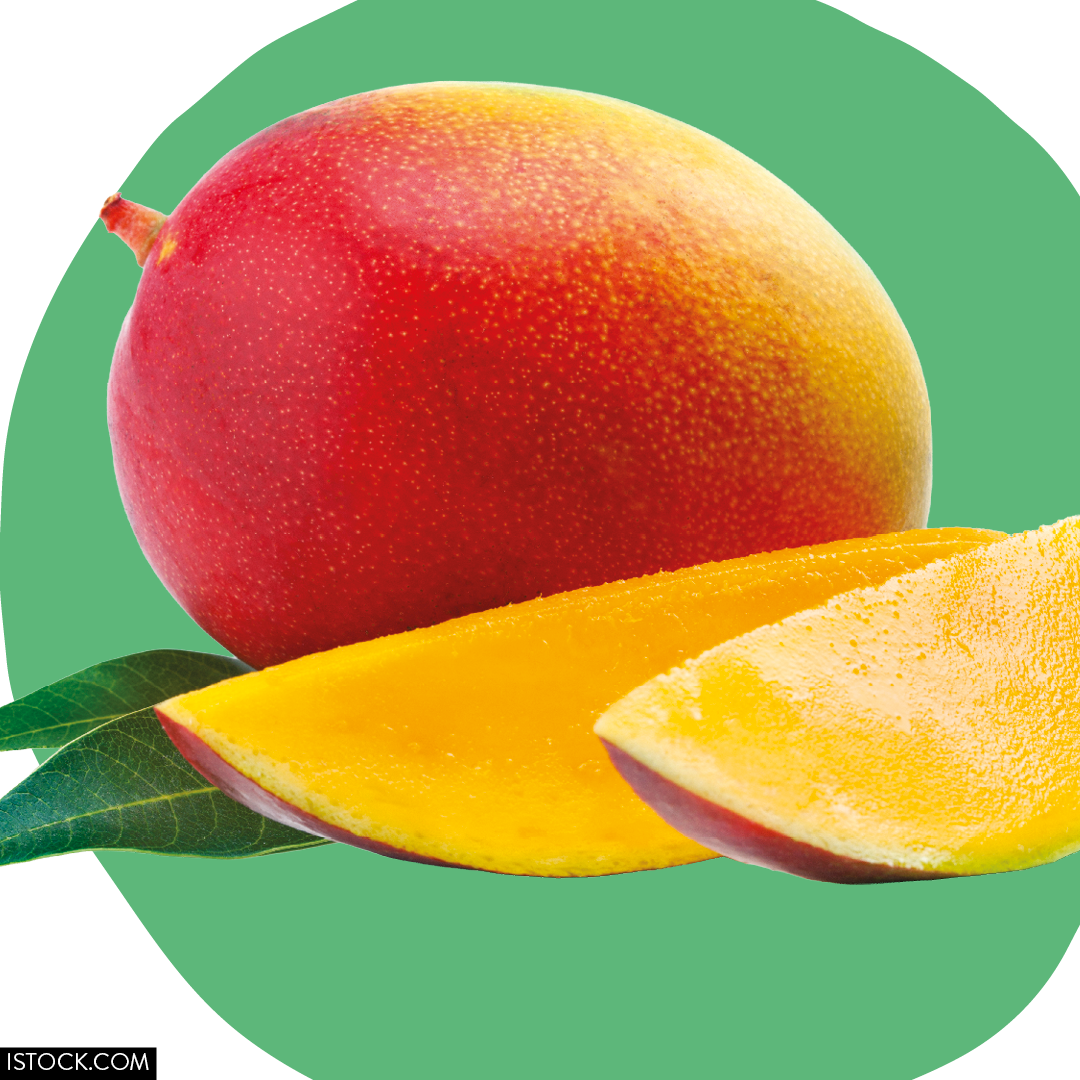
Mangoes grow around the world. There are hundreds of varieties. Seasonality is sketchy, but enough of them begin peak season in May – and there are plenty of great drinks to make with them, so they’ve made the list. Mango lassi, India’s most popular traditional yogurt drink, provides an excellent framework for rum, gin and vodka drinks. A bit more off-piste, aam panna – a popular summer drink in northern India – is made from unripe mangoes (plus mint, cumin and other spices). Prior to the formation of the stone, mangoes are sour and loaded with pectin.
Chives
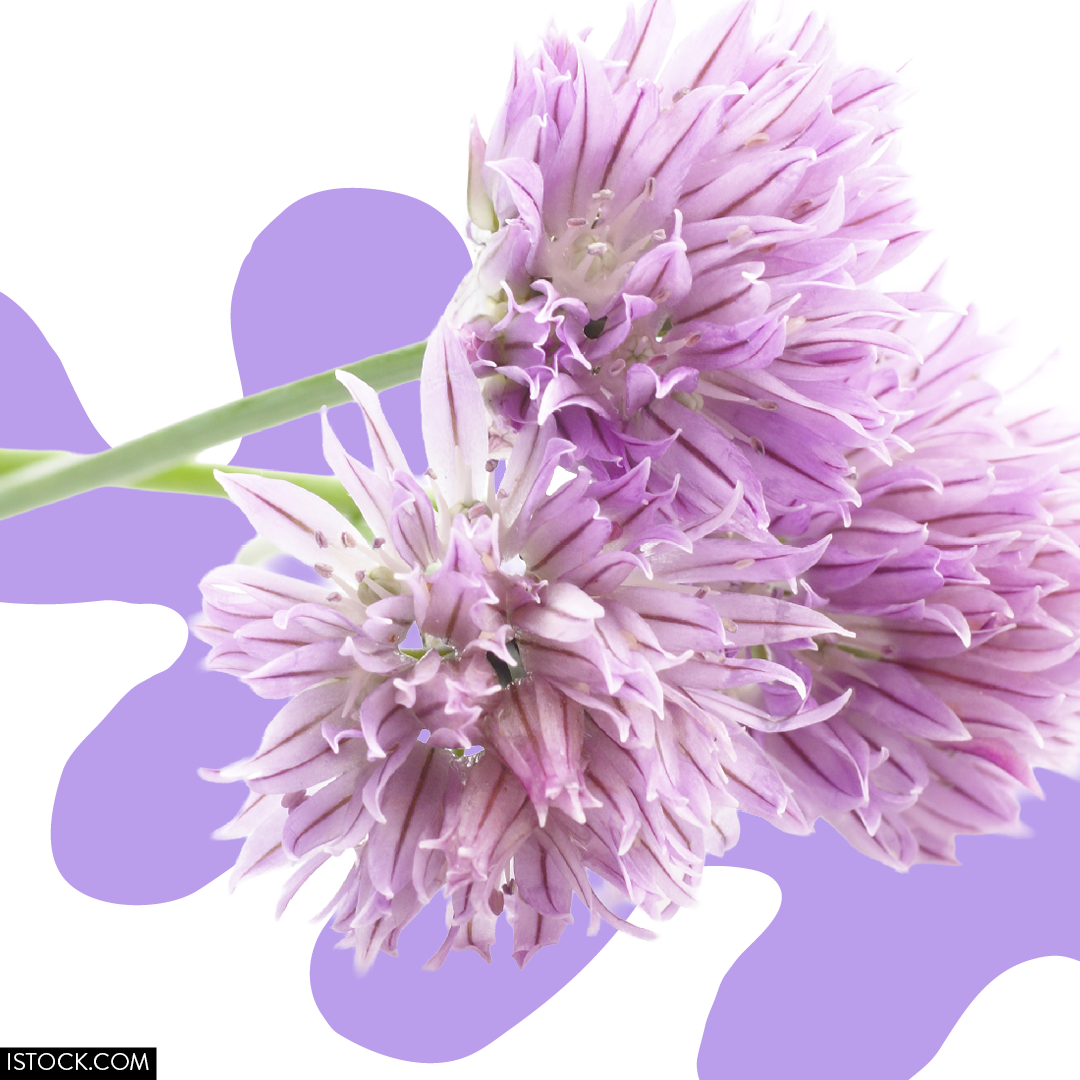
Chives are among the first of the spring flavours and can make a Martini dirtier than ever. Infuse a handful of chopped chives into gin for a few hours. Chive blossoms are also loaded with fresh onion flavour. Each has a sturdy stem under a pink spherical flower and can work as a cocktail pick to hold an olive. We’ve used them on cocktail onions as well by pre-puncturing the onions with a kebab skewer. Every year, we say we are going to dehydrate chives and blossoms to extend our supply beyond the season. Every spring we pick them fresh and bring them straight in to flavour drinks and food, and every year we fail to preserve any. But then, summer has so many other flavours to offer.
SEASONAL INGREDIENTS
Domestic
Basil (Apr/May)
Chervil (May)
Chives (Apr/May)
Coriander (May)
Cucumbers (May)
Dill (Apr/May)
Mint (May)
Nasturtium (May)
Oregano (May)
Parsley (May)
Pea shoots (Apr)
Rhubarb (Mar/Apr/May)
Rosemary (May)
Sage (May)
Samphire (Apr/May)
Sorrel (Apr/May)
Tarragon (May)
Wild mushrooms (Mar/Apr/May)
Wild nettles (Apr/May)
Imported
Avocados – Fuerte (Mar/Apr/May)
Bananas (Mar/Apr)
Blood oranges (Mar/Apr/May)
Grapes (Mar/Apr)
Kiwi (Mar/Apr/May)
Mangoes (Mar/Apr/May)
Nectarines (Mar/Apr)
Peaches (Mar/Apr)
Pears (Mar/Apr)
Plums (Mar/Apr)
Pumpkin (Mar/Apr)
Raspberries (Mar)
Strawberries (Mar)
Watermelon (Mar)