


Dark Bar's Patrick Fogarty is back with his series on batching - this time with tips on controlling spice and the science of heat.
The Picante, or spiced margarita, has been one of the most popular drinks on menus for years. Yet few people really understand how many variables that single ingredient, chilli, brings to the glass.
When we launched Dark Bar, one of our first drinks was a Picante we created for The Restaurant Group’s Wagamama Chain. Coming out of Covid, reliable supply chains were vital. My first call was to my go-to source of heat and flavour, Ancho Reyes, but post-Covid shipping problems meant we couldn’t get the volumes we needed.
So we started digging deeper into chillies and the science of heat. We needed both consistency of flavour and heat without using extracts. The result was our own chilli liqueur built from five different chillies, each bringing its own balance of flavour and fire.
Where Heat Comes From
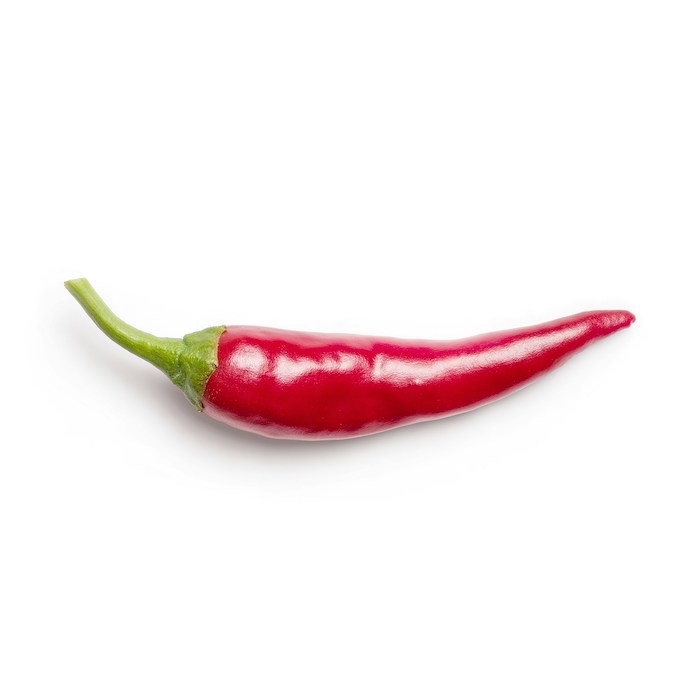
The hottest part of a chilli isn’t the seed. It’s the white spongy membrane that holds the seeds, called the placenta. This is where capsaicin lives, the compound that gives chillies their burn. The seeds aren’t hot themselves, but they pick up capsaicin from that membrane, which is why they seem fiery.
Capsaicin is an alkaloid oil. Its intensity is measured in Scoville Heat Units (SHU), which originally came from a test that diluted chilli extract with sugar water until tasters could no longer feel the heat. Heat levels vary massively between varieties and even between chillies from the same plant. Weather, soil, and ripeness all change the result. When you muddle a fresh chilli straight into a drink, you’re throwing the dice on how hot that drink will be.
To control heat, you need to understand both the chilli and how sugar and citrus affect how we taste it.
Sugar
Sweetness softens heat. It doesn’t destroy capsaicin, but it spreads the oil out and distracts the palate. That’s why the original Scoville test used sugar water, and why liqueurs like Ancho Reyes or our own chilli liqueur use varying sugar levels. Adjusting sweetness is one of the simplest ways to make heat consistent.
Citrus
I covered this variable in detail in my first article on controlling the citrus variable but with heat it has an even greater effect. Both the acidity in the citrus fruit and citric acid itself both helps neutralise the alkaline nature of capsaicin and breaks down its oil molecules. It also brightens the flavour of the drink creating unusual and surprising flavours.
My personal favourite way to see this in action is a quick tequila shot ‘experiment’. Lick a dash of Tabasco off your wrist, take the tequila, and finish with a slice of orange. The orange’s sweetness and citric acid knock back the burn and leave a chocolate-orange finish. It’s a simple but effective example of how acid and sugar shape the way we experience heat.
An honourable mention needs to go to the final way to ‘cheat the heat’ and that is with milk, the protein in milk ‘casein’, surrounds and binds to the capsaicin effectively dissolving them. Perfect to tame heat in an emergency.
Chilli varieties and flavour
Each chilli has its own flavour and level of fire. Knowing what each one brings helps you design a balanced, predictable spice profile.
Mild to medium
Poblano: fresh, mild, earthy and vegetal.
Ancho: dried, semi-ripened poblano; sweet, smoky and raisin-like.
Mulato: fully ripened dried poblano; rich and chocolaty.
Guajillo: fruity and berry-like with gentle smoke.
Chipotle: smoked jalapeño; medium heat with a hint of sweetness.
Pasilla: earthy with mild raisin and cocoa notes.
Hot to very hot
Habanero: high heat, tropical and floral with citrus notes.
Piquin: small, very hot, tart and smoky.
Birdseye (Thai): sharp, fast heat, slightly sour when unripe.
Scotch Bonnet: Jamaican, super-hot, fruity and sweet.
Batching lets you mix and measure these to control flavour and heat exactly how you want it. Back to the Picante - the classic Picante/spiced margarita spec uses tequila, orange liqueur, lime, and chilli. Both citrus and sugar directly affect the balance and the heat of the drink. If they’re not measured carefully, every serve tastes different.
Batching fixes that. By infusing chillies into a liqueur or measured syrup, you can balance sugar, acid and capsaicin precisely. The result is a drink that tastes the same every time without losing freshness or character.
Case Study: The Thai Chilli Margarita
One of our most popular drinks at Dark Bar is the Thai Chilli Margarita, built around our house-made chilli liqueur.
We started by creating a series of single-variety chilli liqueurs, working from poblano, Anchos through to Piquins. We tested each variety both with and without the seeds and the core, to see how much difference the capsaicin-rich placenta made to the flavour and heat. The results were dramatic. Removing the seeds and core softened the heat but stripped away some of the deeper, earthy flavours.
From there we began blending. We tested different ratios of chillies, adjusting the maceration time, alcohol strength and alcohol type to find the right balance between flavour and fire. We played with sugar levels to round out the spice and finally added cacao nibs and Madagascan vanilla to give the liqueur a smooth, aromatic finish.
For the sweetening element of the drink, we developed an acid-adjusted coconut syrup, made in house from desiccated coconut, sugar and water. We blended in natural fruit acids to soften the heat and then paired it with key lime distillate and clarified lime juice to create perfect balance between sweetness, acidity and spice.
By testing every batch of liqueur and checking the final drink each time, we can guarantee consistency in every single serve. The result is a Margarita that delivers clean, layered chilli flavour with a measured warmth that never overwhelms.
Other than physical taste testing for the spice and balance, the two key instruments we use for every cocktail whether for the chilli liqueur or the finished drink is a good PH meter (for acidity/alkali) and a Brix Refractometer (for sugar content). Both of these tools allow us to accurately and consistently create the right balance in the cocktail.
Consistency is control
Chilli looks simple, but it hides a lot of variables: variety, ripeness, sugar, acid, and handling. When you batch with understanding, you remove chance and keep flavour. You’re not simplifying the drink, you’re mastering it.
The next part of this series will look at dilution, the quiet variable that changes texture, mouthfeel and balance more than most people realise.